
 Image 1 of 5
 Image 2 of 5
 Image 3 of 5
 Image 4 of 5
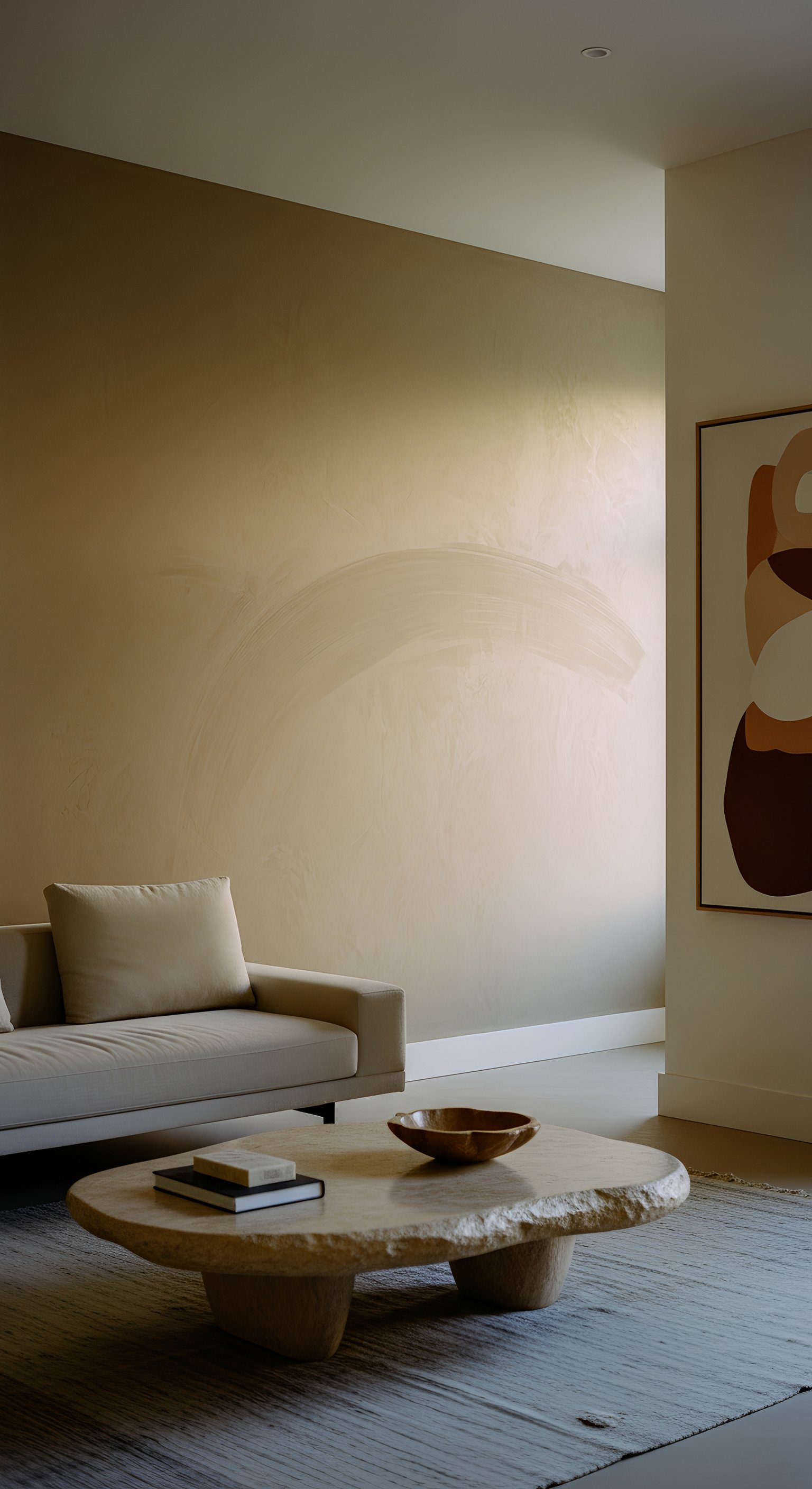 Image 5 of 5
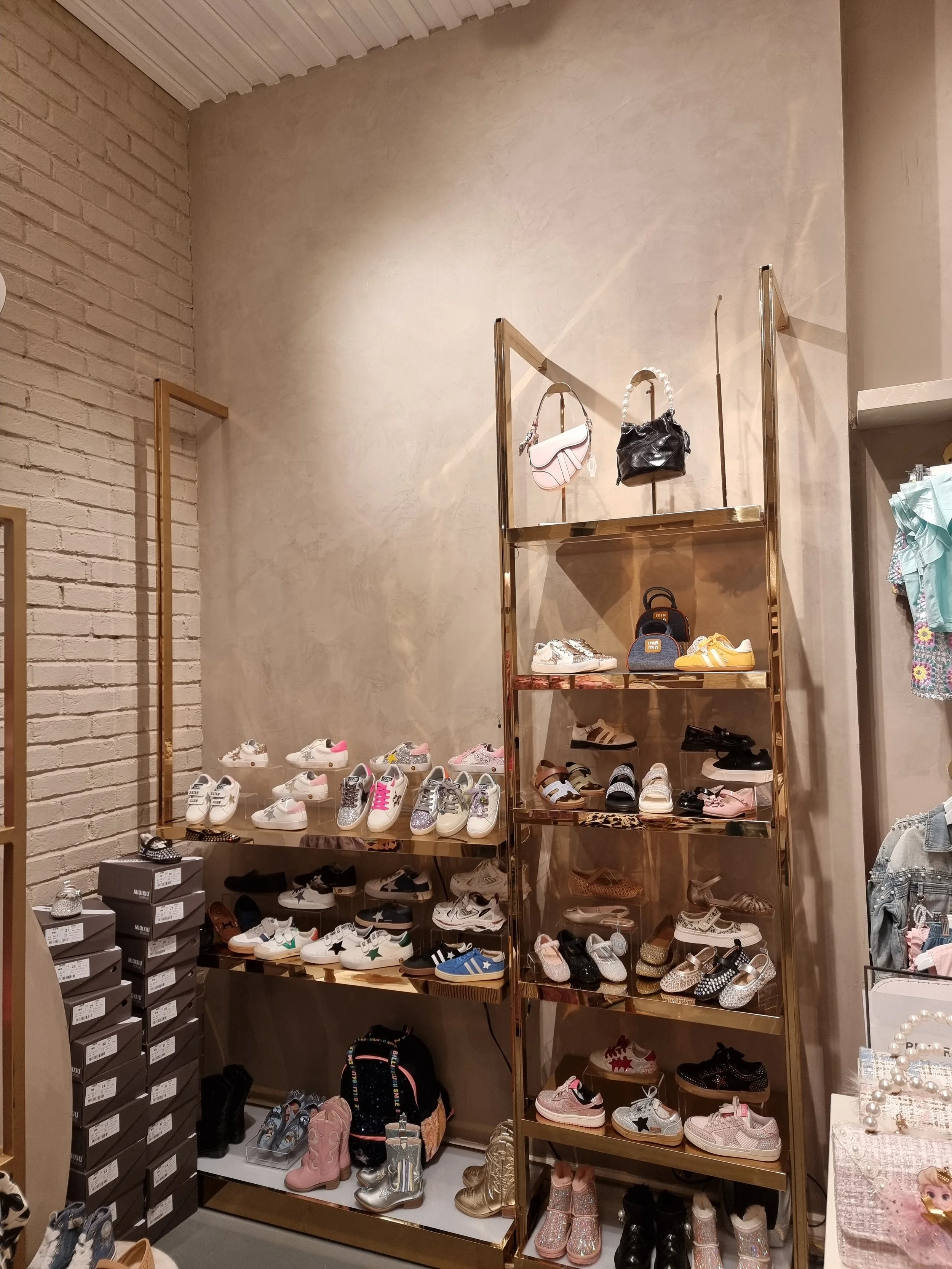
Roman Clay is a natural mineral wall finish made primarily from clay, earth pigments, and natural minerals. It is applied by hand with a trowel to create a soft, textured, matte surface with subtle movement and depth.
Natural and eco-friendly material
Matte, suede-like finish
Creates soft color variation and texture
Applied with a trowel in thin layers
Popular in modern and minimalist interiors
Roman clay walls usually have a smooth but slightly textured appearance, similar to polished plaster but with a softer, more natural look. The finish shows gentle movement in the color, giving the wall depth.
Living room accent walls
Bedrooms
Entryways
Feature walls in modern homes
High-end interior design projects
Creates a luxury designer look
More unique than regular paint
Works well on drywall (unlike many mineral finishes)
Roman Clay: soft matte texture, modern look
Lime Wash: cloudy, chalky appearance
Venetian Plaster: smooth, polished, sometimes glossy
The most popular places to apply Roman Clay are interior areas where designers want texture, depth, and a soft matte finish. It’s commonly used as a decorative feature rather than covering every wall.
One of the most popular uses is a statement wall in the living room. Roman clay adds subtle movement and a natural texture that makes the wall look more architectural and high-end.
Roman clay works well in bedrooms because the soft, matte texture creates a calm and cozy atmosphere. Designers often use neutral earth tones to create a relaxing space.
Entryways are great places for Roman clay because it creates a strong first impression when people walk into the home. It gives the space a custom, designer look.
Dining rooms are another popular spot since the finish adds warmth and elegance without being shiny or distracting.
Small bathrooms or powder rooms often use Roman clay because the texture adds character in a small space, making it feel more luxurious.
Get your free estimate today and enjoy your refreshed space as soon as tomorrow!
Roman Clay is a natural mineral wall finish made primarily from clay, earth pigments, and natural minerals. It is applied by hand with a trowel to create a soft, textured, matte surface with subtle movement and depth.
Natural and eco-friendly material
Matte, suede-like finish
Creates soft color variation and texture
Applied with a trowel in thin layers
Popular in modern and minimalist interiors
Roman clay walls usually have a smooth but slightly textured appearance, similar to polished plaster but with a softer, more natural look. The finish shows gentle movement in the color, giving the wall depth.
Living room accent walls
Bedrooms
Entryways
Feature walls in modern homes
High-end interior design projects
Creates a luxury designer look
More unique than regular paint
Works well on drywall (unlike many mineral finishes)
Roman Clay: soft matte texture, modern look
Lime Wash: cloudy, chalky appearance
Venetian Plaster: smooth, polished, sometimes glossy
The most popular places to apply Roman Clay are interior areas where designers want texture, depth, and a soft matte finish. It’s commonly used as a decorative feature rather than covering every wall.
One of the most popular uses is a statement wall in the living room. Roman clay adds subtle movement and a natural texture that makes the wall look more architectural and high-end.
Roman clay works well in bedrooms because the soft, matte texture creates a calm and cozy atmosphere. Designers often use neutral earth tones to create a relaxing space.
Entryways are great places for Roman clay because it creates a strong first impression when people walk into the home. It gives the space a custom, designer look.
Dining rooms are another popular spot since the finish adds warmth and elegance without being shiny or distracting.
Small bathrooms or powder rooms often use Roman clay because the texture adds character in a small space, making it feel more luxurious.
Get your free estimate today and enjoy your refreshed space as soon as tomorrow!